“Citywide Art Festival to Celebrate Rangoon’s Heritage”
by San Yamin Aung via “Irrawaddy“

RANGOON — Galleries in downtown Rangoon are preparing to jointly host exhibitions as part of the Yangon Art and Heritage Festival, which will be held across the city next month.
Part of the larger festival organized under the theme “My Yangon My Home,” more than 10 art galleries will celebrate the beauty of Burma’s biggest city, its timeworn architecture and the people that call it home.
“I am living in Yangon and working here. The value of the buildings downtown can’t be assessed. I worry that those buildings might disappear and I love Yangon, so I am participating in the festival,” said Ko Sid, founder of the Myanmar Ink Art Gallery.
During the whole of March, Ko Sid said he will separately show collections from three artists under the unifying theme “We Love Yangon.” About 50 paintings depicting the colonial architecture of Rangoon and its bustling street life will be on display.
The Yangon Art and Heritage Festival will run from March 1-22 and will also include photography competitions, cartoon and sculpture exhibitions, and musical performances at a variety of public venues, as well as at the residence of the British ambassador, whose embassy is supporting the event.
Aung Myint Tun, manager of the Lokanat Gallery, said they will have a solo show of gallery member and artist MKM, who specializes in artistically rendering the buildings of the downtown area. The show, “About Yangon: Extension,” will be held from March 1-7 as part of the festival.
“It’s good to have this kind of festival. We will be more mindful of the surroundings in which we live and be cognizant of [the value in] preserving the city’s ancient buildings. Instead of neglecting them, we can be more aware of them thanks to this festival,” MKM told The Irrawaddy. The painter’s works depict downtown streetscapes and scenes from Shwedagon Pagoda, Burma’s most sacred Buddhist shrine.
 |
| 1- Levalet – Paris, France |
 |
| 2- Irony – London, UK |
 |
| 3- Invader, Tanzania |
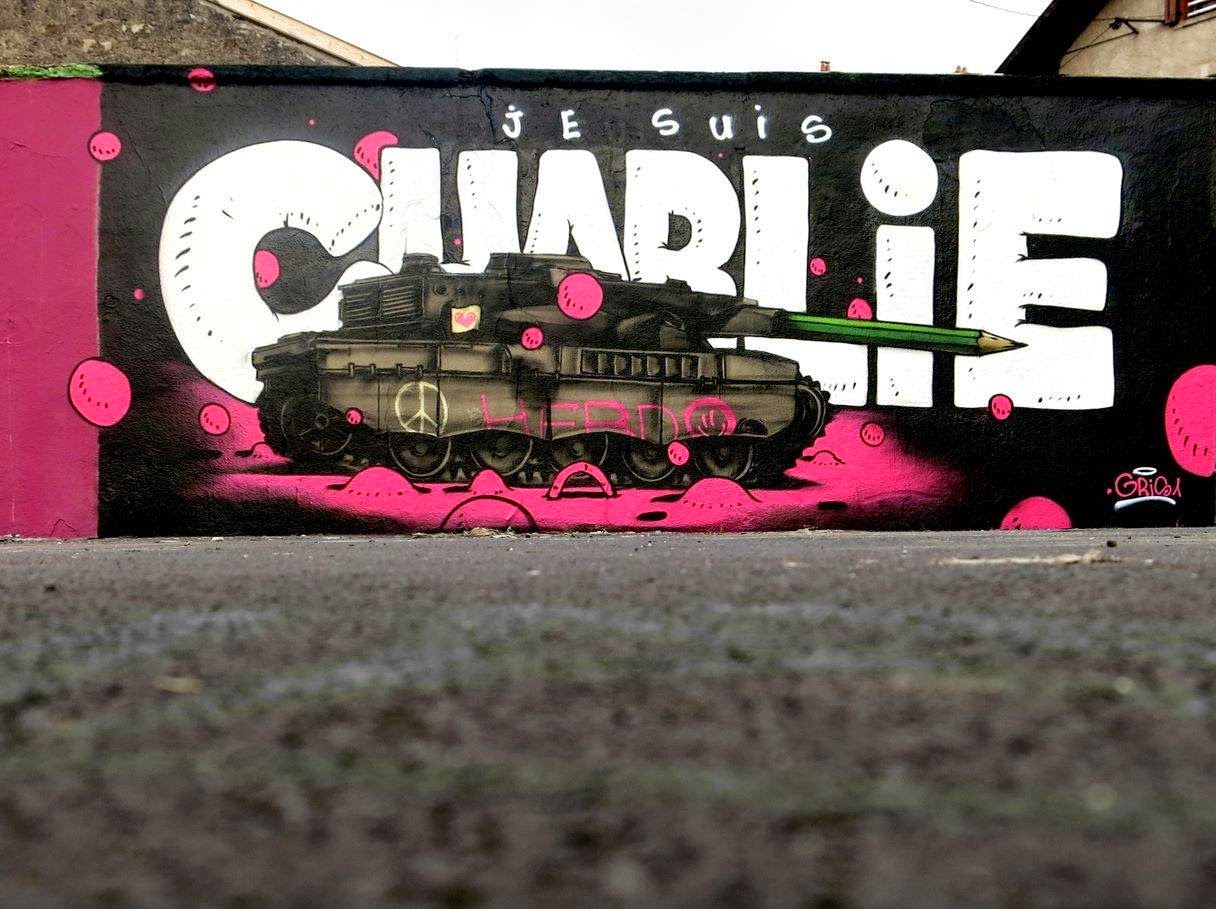 |
| 4- Gris1 DMV – Paris, France |
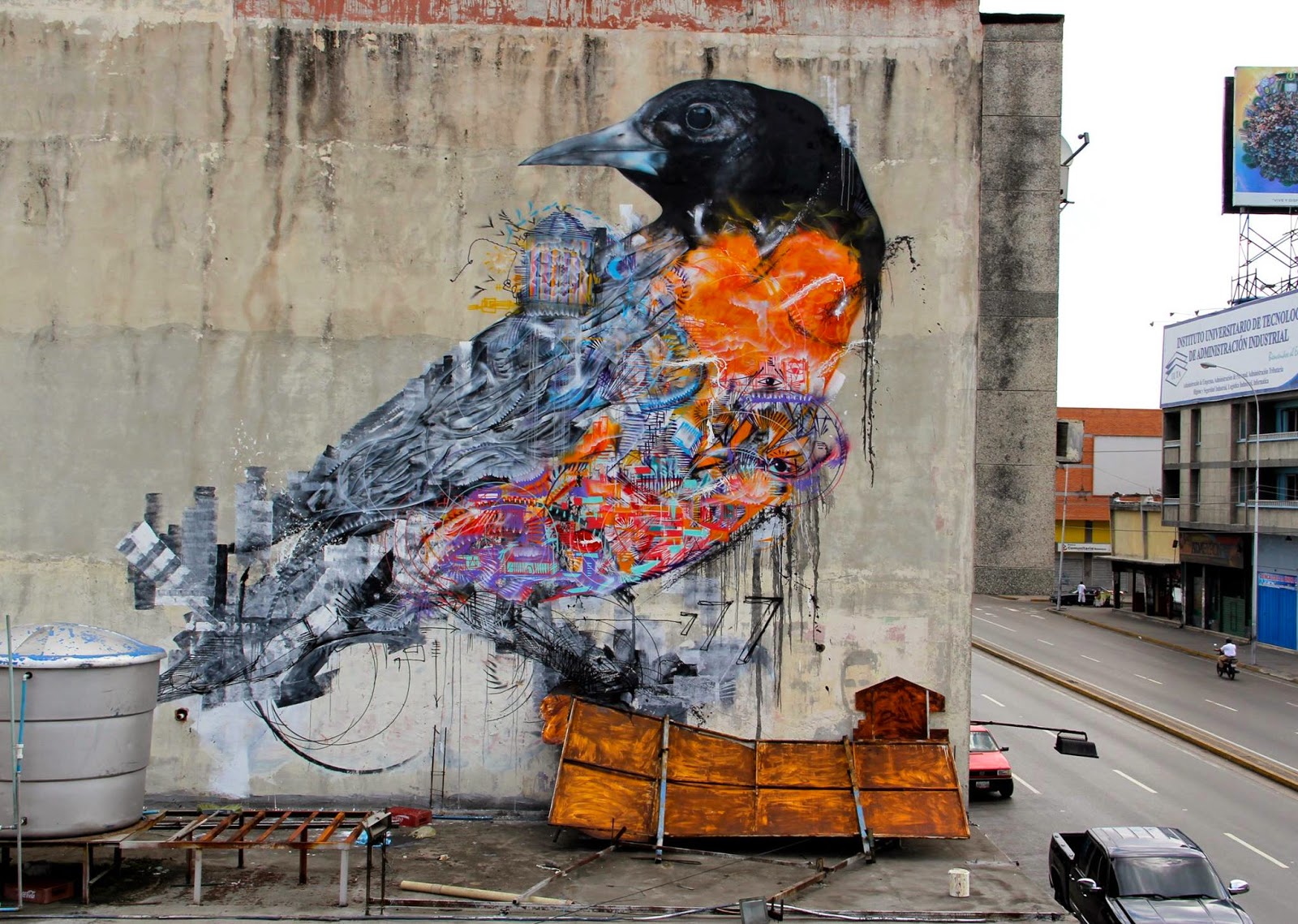 |
| 5- L7M – Maracay, Venezuela |
The two images below show the same archaeological site, the ancient city of Apamea, in Syria, firstly as captured by Google Earth on 20th July 2011, and then on 4th April 2012. The scale of looting in between the months when the images were taken can be seen clearly.
These images are reproduced here with kind permission from Dr Ignacio Arce, Director of the Spanish Archaeological Mission to Jordan, who originally took the images from Google Earth.


The lawsuit this film is based upon opened up a can of worms legally, completely changing Art Law, Cultural Heritage Law, Museum Law, and the Law of Wars forever. In regards to justice for a long-ago wrong, it is satisfying to know the bad guys didn’t win. 🙂 I’m curious to see if this film is any good!
Islamic State thugs have destroyed a collection of priceless statues and sculptures in Iraq dating back thousands of years.
Extremists used sledgehammers and power drills to smash ancient artwork as they rampaged through a museum in the northern city of Mosul.
Video footage shows a group of bearded men in the Nineveh Museum using tools to wreck 3,000-year-old statues after pushing them over.
Scroll down for video

Extremists used sledgehammers and power drills to smash ancient artifacts at a museum in the northern city of Mosul

Militant uses a power tool to destroy a winged-bull Assyrian protective deity at the Ninevah Museum in Mosul, Iraq. The statue dates back to the 9th century B.C.
One of the items, depicting a winged-bull Assyrian protective deity, dates back to the 9th century B.C.
A man shown in the video said the items were being destroyed because they promoted idolatry.
‘The Prophet ordered us to get rid of statues and relics, and his companions did the same when they conquered countries after him,’ the unidentified man said.
 The Cultured Muse